
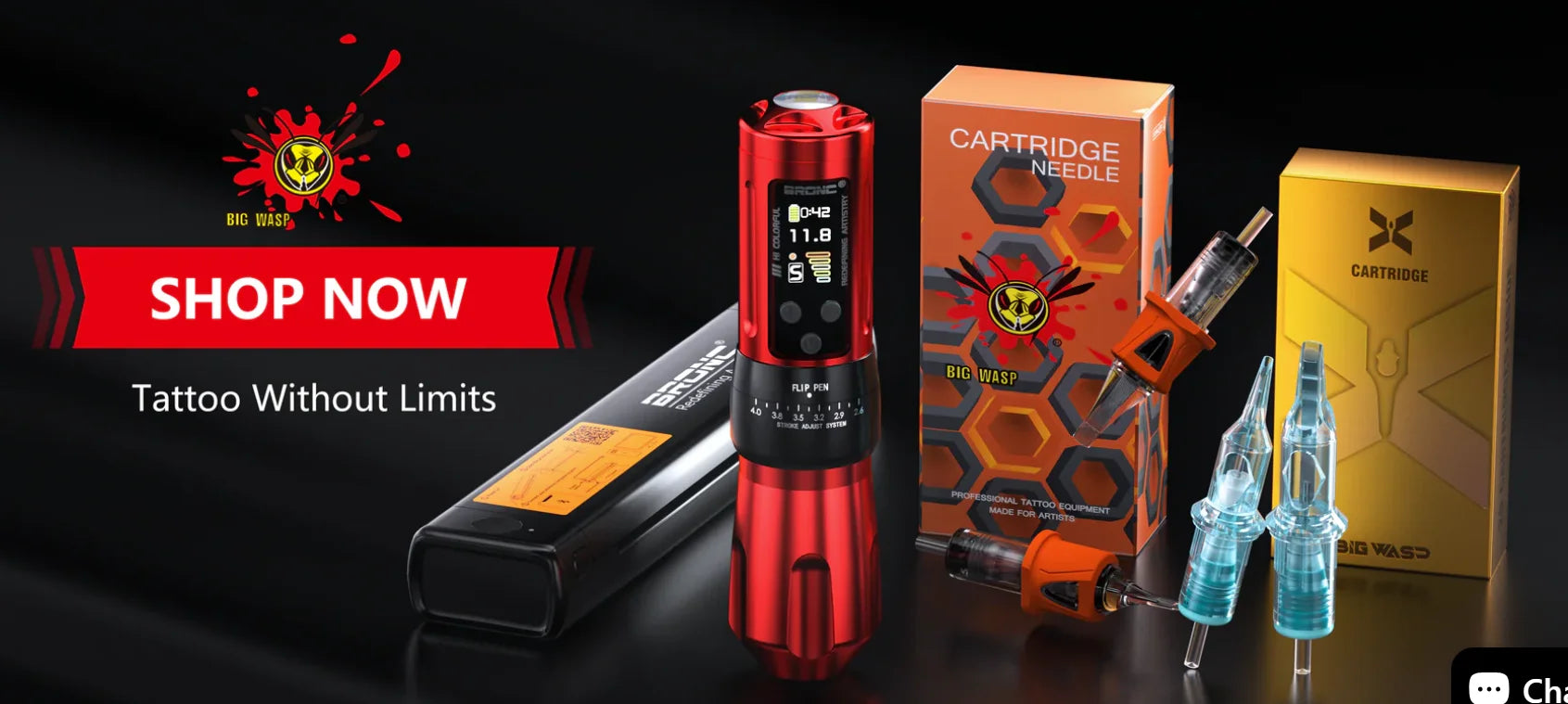
How Tattoo Machines Evolved: Wireless Technology at the Core of Innovation ?
The evolution of tattoo machines has moved from Thomas Edison-inspired electric coil devices to current wireless systems. The change from heavy, noisy coil machines to smoother rotary systems opened the door for today's cordless innovations. This progress came from artists' desire for freedom, accuracy, and cleanliness. Modern wireless pens, like those from brands such as BIGWASP, combine efficient brushless motors, durable batteries, and clever features. They transform workflows by boosting mobility, steadiness, and creative output.
How Did Tattoo Machines First Evolve Into Electric Tools?
The start of modern tattoo machines links back to an unexpected source: Thomas Edison. His 1876 invention, the autographic printer, was a stencil copier. It formed the base for early electric tattoo devices. By 1891, Samuel O’Reilly modified this idea into the first patented electric tattoo machine. He added electromagnetic coils to push needles into the skin over and over.
Even with its new approach, this early coil machine showed obvious drawbacks. Artists faced too much weight, loud working noise, and regular issues with needle action. These problems grew worse in long sessions. They often hurt both ease and accuracy.
Why Did Artists Shift from Coil Machines to Rotary Systems?
The move to rotary systems was a key change. Coil machines depended on electromagnetic pushback. But rotary tattoo machines use a direct drive motor. This creates smoother, quieter work. It cuts down vibration a lot. As a result, there is less tiredness and better grip.
The user-friendly shape of rotary systems also appealed more to artists. They do fine linework or complex shading. For experts who value speed and reliability, the rotary machine needs less upkeep. Plus, it offers steady results. This made it a strong improvement over the old coil design.
What Drove the Tattoo Industry Toward Wireless Innovation?
As artists asked for greater freedom and adaptability, wireless tattoo machines appeared as a clear answer. Wires and foot pedals often limited motion. They broke the flow of work and crowded spaces. Artists wanted tools that fit their active studio settings or travel needs.
Progress in lithium-ion batteries allowed longer work times. They kept strong power without loss. Along with better digital controls and cleanliness rules, these steps changed what modern tattoo machines provide.
What Are the Core Technological Features Inside Wireless Tattoo Machines?

Modern wireless tattoo pens have built-in lithium-ion batteries. Their capacities go from 1800mAh to more than 2100mAh. These batteries charge quickly. They usually reach full power in 2–3 hours. They handle up to 10 hours of steady use, based on how hard you work.
Voltage control is sharper now. It comes from digital screens or easy buttons. Artists can tweak settings between 5V and 12V right away. This fits their style or needle setup.
Brushless motors are now the common choice. They make little heat and steady power. Smart systems in these motors check skin pushback. They keep output even. This matters when moving between different skin feels or sensitive spots.
Such steadiness gives uniform ink flow and clear lines. It cuts the need for fixes. It also lowers skin harm.
OLED displays show instant info on voltage, battery status, and time used. Some machines have saved settings. Artists can store voltage levels for jobs like lining or shading.
These controls not only speed up work but also cut out uncertainty. They help in tough sessions. This makes them key for pros who focus on quick results.
How Has One Brand Redefined Wireless Tattooing?
If you seek a brand that blends fresh ideas with fair prices, BIGWASP stands out in the wireless shift. Its background lies in turning old coil machines into advanced rotary ones. BIGWASP delivers pro-level work at prices anyone can reach. This suits busy studios or training new artists. Their artist-focused design keeps them current with trends. At the same time, it stresses ease for users and happy clients.
What Makes the BIGWASP Wireless Pen V2 So Widely Recommended?
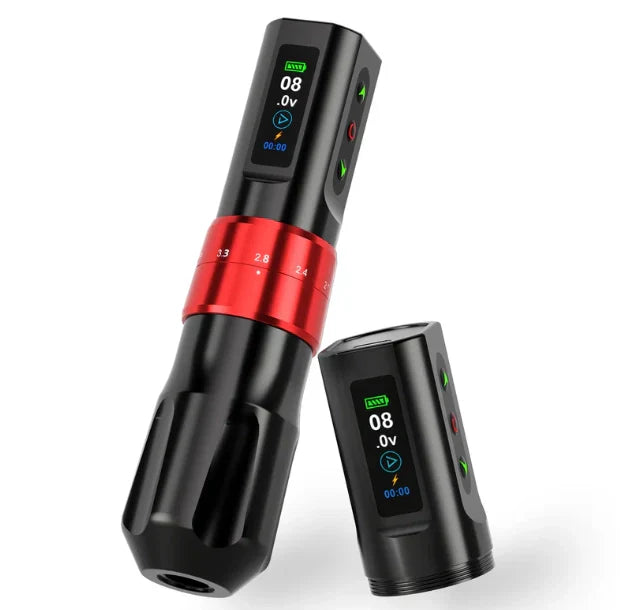
The BIGWASP Wireless Pen V2 includes all that a pro artist requires in one unit. It has a strong coreless motor. This runs well on various skin types and feels. Its 2000mAh battery gives 6–8 hours of non-stop use. That fits full-day work.
The simple controls let you change voltage from 5V to 12V with basic buttons. With a standard 3.5mm stroke length and needle depth of 0–4mm, this pen manages shading and lining without trouble.
How Does Its Design Optimize Comfort During Long Sessions?
Made from light aluminum alloy, the pen’s body reduces tiredness over long periods. Its even weight balance boosts accuracy. It also eases hand strain. This is vital for fine details or big designs.
Is It Compatible with Other Tools You Already Use?
Yes, the Wireless Pen V2 uses a universal cartridge grip system that fits most major needle brands. Its magnetic charging base adds further convenience, allowing quick swaps between sessions without handling cumbersome wires.
How Is Wireless Technology Reshaping Professional Tattoo Workflows?
You no longer need to deal with cords or foot pedals. Wireless machines shorten setup time a great deal. Just turn on and start. This lets artists pay more attention to clients. They spend less time on gear setup.Easy to carry gear also helps at events or short visits. No outlets or heavy items are needed. This boosts your movement as an artist many times over.
How Do Wireless Systems Improve Hygiene Standards?
Fewer outside parts mean fewer spots to clean. The smooth build of wireless pens removes risks from hanging wires or shared switches.
This easy setup also makes cleaning steps simpler. It helps studios meet tough health rules. And it keeps work running smoothly.
Can Cordless Machines Impact Artistic Expression?
Yes, they do. Without wires holding back your reach or tugging your hand, you get full motion freedom. This suits bold lines or wide shading.
Steady voltage keeps each stroke even in depth and pace. It improves line sharpness and color depth. This leads to neater art and quicker client recovery.
What’s Next for Wireless Tattoo Machine Technology?
Future wireless devices might link with Bluetooth for live checks via phone apps. These apps could watch voltage use, time spent, and give care warnings from motor checks.
In time, data from use could aid in sharpening skills. It might spot voltage habits or tired spots in long work.
Can We Expect Dramatic Improvements in Battery Life?
Yes. Studies on graphene-based batteries point to very quick charges and longer life soon. Swap-out battery packs are gaining fans too. They let you change power mid-client without stops.
Is AI-Driven Motor Control a Reality?
New AI setups are in development. They sense skin pushback live and tweak motor power. This lets machines adjust to varied skin states on their own. It betters ink spread while cutting harm and recovery time.
Why Should You Choose BIGWASP in a Competitive Market?
BIGWASP gives top functions at prices that fit budgets. Whether you outfit a new studio or teach a beginner, their range offers strong results without cuts.
Is There Real Feedback Supporting Their Reliability?
Yes. Industry pros review their products often with good comments on steadiness. From long-time studio workers to road artists, many like how these machines ease their tasks while keeping accuracy.
Do They Keep Improving Based on Artist Feedback?
Yes—they focus on ongoing growth. Routine software updates and part upgrades come from true user views. This keeps their machines matching your needs in a quick industry.
FAQ
Q: How long does a wireless tattoo machine battery typically last during continuous use?
A: Most high-capacity lithium-ion batteries support between 6–10 hours of continuous operation depending on voltage level and motor efficiency.
Q: Can I use my existing needle cartridges with a wireless tattoo pen?
A: Yes, many wireless pens come with universal cartridge grips compatible with most major needle brands.
Q: What is the main advantage of brushless motors in wireless tattoo machines?
A: Brushless motors generate less heat while providing consistent torque, which ensures smooth performance across all skin types without overheating issues.

Door Bronctattoo Supply


Laat een reactie achter
Deze site wordt beschermd door hCaptcha en het privacybeleid en de servicevoorwaarden van hCaptcha zijn van toepassing.