
From Wobbly to Wow: 5 Game-Changing Tips to Master Your Tattoo Lines

Tattoo linework forms the base of every design. Precision starts with gaining control over your hand. Smooth and steady lines need a firm grip and a loose wrist. Artists usually steady their hands by placing their pinky or palm gently on the client's skin, and this setup lets them make tiny changes to avoid any shaking. Keeping even speed and pressure helps achieve uniform ink coverage, and it also stops blowouts from happening.
Drills such as copying simple shapes or working on fake skins can improve your hand skills. Try drawing circles, repeating straight lines, and changing speeds slowly, and these actions mimic actual tattoo work. With regular practice, you build habits in your muscles. Soon, you can create sharp outlines, even when sessions drag on for hours.
The Role of Needle Depth and Angle
Getting the right needle depth and angle matters a lot for clean lines. You want to avoid harming the skin. For most skin types, a depth of 1–2 mm works well, which reaches the dermis without going too far and causing extra damage. Change the angle based on the design's curves, and this way, the pigment spreads out evenly.
Wrong settings lead to uneven lines or ink spreading too much. For instance, if the depth is too light, lines look spotty and fade fast. If it's too deep, you might get scars or ink moving around under the skin. Working on various fake surfaces teaches you how different skin feels under pressure, and it also shows how to tweak the angle for better results.
Selecting the Right Tattoo Equipment
A dependable tattoo machine delivers steady power and firmness, and these are must-haves for exact linework. Devices with changeable stroke lengths let you adapt to various methods. You can switch from thin lines to thick ones easily. Many prefer rotary machines because they run quietly. Their needle movement feels smooth, which cuts down on tiredness from shakes during long jobs.
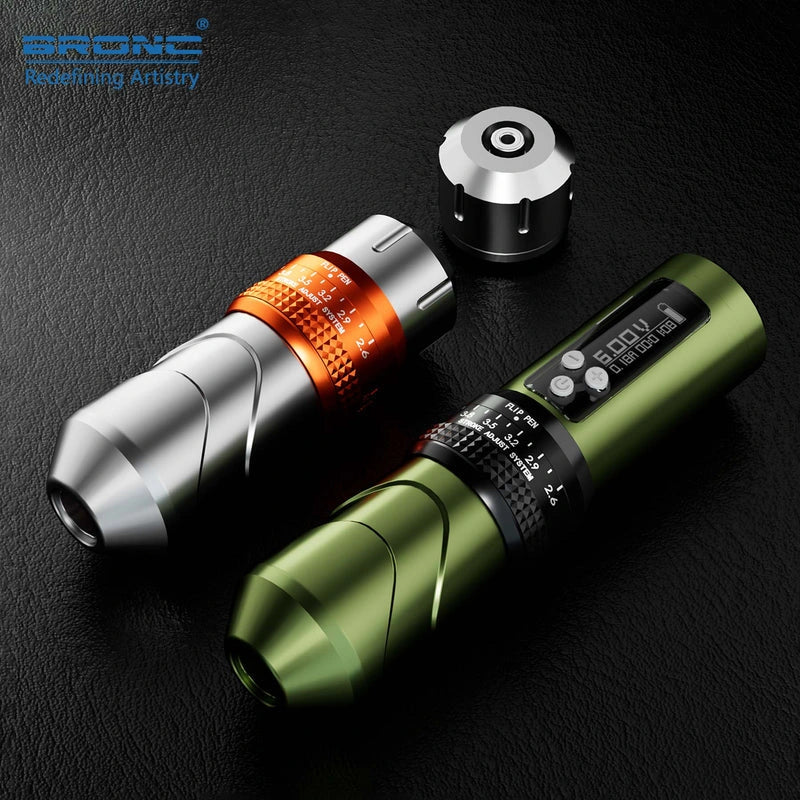
The BRONC TOUGH Adjustable Wireless Pen stands out with its handy shape and touches from Oriental style. Weighing just 260g, its low balance point gives great steadiness for careful work, which helps keep lines straight across big spaces. The stroke range adjusts from 2.6–4.3mm, and it holds plenty of ink. So, you work without breaks and feel less strain in your hand (BRONC TOUGH Adjustable Wireless Pen). Compared to coil machines, rotary types handle voltage shifts more gently, which makes them perfect for newcomers building skills. Pros also like them for quick work on fine details.
How Do Needles and Cartridges Influence Line Precision?
The setup of needle shapes the width of lines and how steadily the ink moves. Round liner needles pack close together for crisp edges. Shader needles open up more for gentle fades or filling areas. Thin sizes like 04 (0.18mm) make fine marks for detailed patterns. Bigger ones, such as 12 (0.35mm), create strong lines that fit classic styles.
BIGWASP Energy Rubber Round Liner Cartridge Needles use top-grade 316L stainless steel, and they come with medical plastic casings. These get sterilized by E.O gas and have see-through tips, which let artists watch ink flow clearly (Bigwasp Energy Rubber Cartridge Needles – Round Liner). The no-slip feature cuts down on shakes. It keeps each stroke firm, even in tricky parts of the design.
Mastering Ink Flow and Consistency
Top-notch inks hold steady color strength as you apply them, which leads to bright lines that heal without spots. The thickness of the ink decides how easily it glides through the needle. Thicker types need slower hand speed, but they avoid messes like splashes. Thinner ones call for quicker moves to stop too much soaking.
Experienced artists try out fresh inks on fake skins first. They check how well the color shows up at different power levels, which happens before using it on real people. Finding the right thickness gives clear edges. At the same time, it lowers harm to the skin.
What Techniques Keep Ink Flow Stable During Sessions?
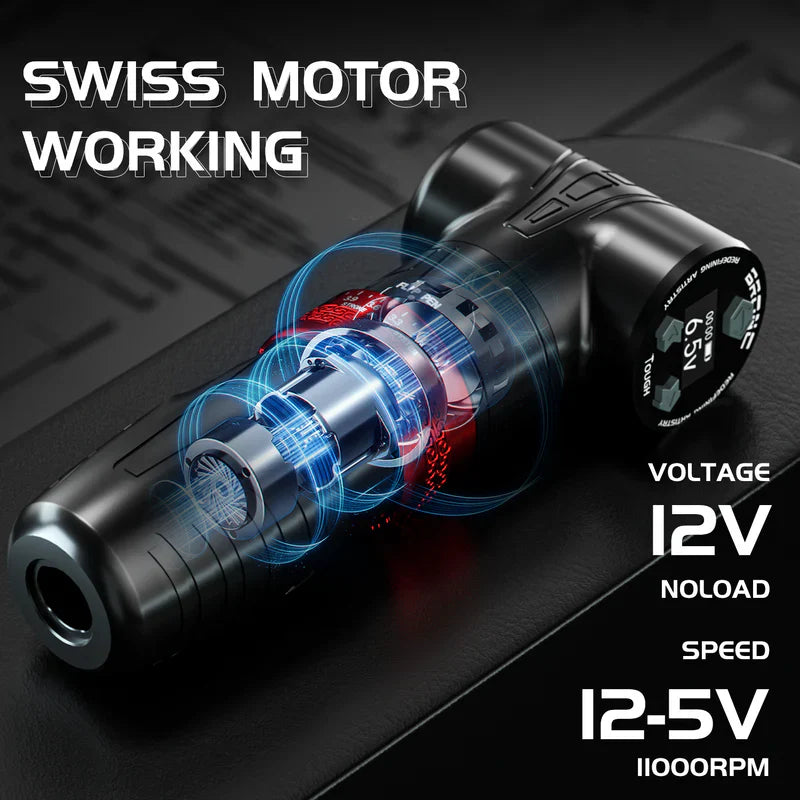
To keep ink moving evenly, you need to set up the machine right and care for it often. Wipe the cartridges clean regularly, which stops blockages that break your flow in the middle of work. Bump the voltage a bit higher at the beginning, which coats the needle tip with color before touching the skin. Battery-powered pens with Swiss motors hold firm power at different paces. They avoid stops from power dips, which proves helpful in long stretches of tattooing.

Enhancing Linework Through Practice and Feedback
Line exercises form the heart of tattoo learning around the world. Start with flat lines going side to side, then up and down, which builds skill in moving straight. Next, mix them into grid patterns, which boosts evenness when you vary the push. Fake practice skins feel much like real human skin,. and they give back the same push you meet in true tattoos. So, you can repeat moves safely. No worries about ethics or risking clients.
How Can Constructive Critique Elevate Artistic Growth?
Advice from others speeds up your improvement, which points out flaws in your method or design setup that you might miss alone. Groups online for tattoo pros let you post your steps. Seasoned folks there give tips on things like skin pull or power matching. Classes run by experts in the field show live examples too. You watch small hand shifts that make lines precise, and these sessions help everyone learn key moves for exact work.
Introducing BIGWASP as a Trusted Supplier
BIGWASP has gained wide respect from tattoo pros everywhere, and they focus on solid building and ideas that help artists. They create and check the items with input from working tattoo artists, and their making skills pair with their know-how. Together, this makes gear built for real use, not just quick output.
In their lineup, you find wireless pens like the BRONC Max V12 Adjustable Wireless Pen. It has a strong Swiss DC motor that spins at 11000rpm. The stroke length shifts from 2.5–4.5mm (BRONC Max V12 Adjustable Wireless Pen). A 2100mAh battery lasts for hours without stopping. Safety features guard against overloads in long runs.
On top of that, BIGWASP’s cartridge needles pass tough checks. They have seals that block ink from flowing back, which keeps things clean, meeting pro health rules known in studios globally. Their goal goes further than just selling gear, which aims to give artists reliable tools. These turn ideas into perfect results on the skin.
Conclusion — Why Mastery Lies in Balance
Getting good at tattoo linework comes more from harmony than rushing. Think of steady hand paths that match well-tuned tools. Add in controlled depth felt through touch. Pick inks for sharpness, and manage their steady release. Refine all this with focused practice and real input from others. Each sure stroke shows skill in the craft, and it also builds faith in your equipment. That faith grows stronger with partners like BIGWASP, who put art first in their work.
FAQ
Q1: What type of machine is best for beginners focusing on linework?
A1: Rotary machines are often recommended due to their smooth operation, reduced vibration, and straightforward setup compared to coil machines.
Q2: How can I prevent my lines from becoming wobbly?
A2: Maintain a steady hand anchored against the client’s skin surface while keeping consistent speed and proper needle depth around 1–2mm, depending on area sensitivity.
Q3: Are BIGWASP products suitable for professional tattoo artists?
A3: Yes, BIGWASP offers high-quality wireless pens and cartridge needles crafted through collaboration with professionals globally—ensuring precision performance trusted in studios worldwide.

من قِبل SupplyBronctattoo


اترك تعليقًا
This site is protected by hCaptcha and the hCaptcha Privacy Policy and Terms of Service apply.