
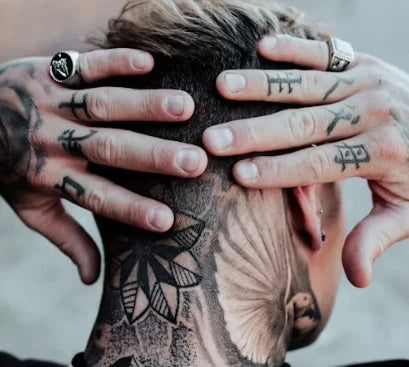
Pro Tips for Your First Stick & Poke: From Sketch to Skin Without the Oops

Entering the realm of stick and poke can feel exciting, yet it all starts with suitable equipment. Your kit forms the base—it establishes the groundwork for protection, ease, and above all, excellent artwork. We will examine what renders a kit genuinely expert and suitable for newcomers.
What Are the Key Components You Should Look for in a Professional Stick & Poke Tattoo Kit?
A top-quality stick and poke tattoo kit goes beyond mere needles and ink. To guarantee protection, accuracy, and ease while applying, your kit ought to contain various vital instruments: a tattoo pen or hand tool, cartridge needles, ink caps, medical gloves, plus cleaning supplies like disinfectant and barrier film. Moreover, these elements work together to create a smooth workflow. Wireless tattoo pens boost mobility and command. For example, the BRONC X2 Adjustable Wireless Pen features a vivid IPS color screen, comfortable grip shape, and up to 20 hours of steady operation using two lithium batteries, which deliver enduring power and precise voltage control. In addition, this setup helps artists maintain focus during extended sessions.
Accuracy in outlines begins with superior cartridge needles. BIGWASP X Round Liner Cartridges come individually sterilized via EO gas and include a reliable silicone barrier to stop ink from flowing back, rendering them perfect for neat, intricate borders.
How Do You Evaluate Tattoo Kits for Performance and Safety?
You should always pick kits that allow voltage adjustments—this enables you to adjust the needle's entry into the skin for various body parts. The BRONC TOUGH Adjustable Wireless Pen provides a distinctive and user-friendly build, merged with influences from Eastern traditions. Compatibility among tattoo pens and cartridge needles matters greatly, too; universal cartridge setups ease your preparation and lower the chances of improper fitting. As a result, you can concentrate more on the creative side rather than technical issues.
Safety holds equal importance. Focus on kits made from medical-grade materials and stainless steel. Sealed sterile packaging remains essential—if it lacks seals or EO gas sterilization labels, steer clear of it. By following these guidelines, you protect both yourself and the canvas from potential risks.
Sketching Your Design with Precision
Your equipment is set, but your concept requires a clear plan. This phase transforms your tattoo from a simple notion into a detailed template. Strong outlines on paper lead to sharper marks on skin—so let's prepare your artwork for transfer.
How Do You Convert Your Tattoo Idea Into Clean, Transferable Linework?
No matter if you draw freely or rely on a ready stencil, careful planning avoids problems during the inking stage. Start by employing a thin-point, skin-friendly marker to outline your idea. For designs needing balance, stencils help with proper positioning, which cuts down on corrections. Think about gaps and sizes—too many packed items might merge after recovery.
What’s the Best Way to Prepare the Skin Before Application?
Thorough skin preparation stands as a basic requirement. Use a new razor to shave the chosen spot, clearing away hair that might block the needle or carry germs. Then, clean the skin fully with disinfectant and let it dry out entirely before adding any stencil or marker drawing. Any leftover dampness can lead to ink spreading or faulty stencil adhesion. In this way, you set yourself up for a flawless application process.
Needle Selection and Ink Flow Control
Here is where your kit activates fully. Selecting the proper needle and handling ink movement represent the key elements for sharp borders and even filling. We will clarify these important decisions in detail.
Which Needle Types Should You Use for Line Work or Shading?
For those new to the craft and concentrating on edges, round liner needles yield clear outcomes with little skin stress. Rounded magnum needles fit shading well because their bent tip layout spreads color softly over the surface. Items such as Energy Rubber Cartridge Needles offer firmness and reliable pigment distribution, and their anti-leak barrier and see-through casing also promote security and clear sight while working. Consequently, these choices allow beginners to achieve professional-looking effects without excessive difficulty.
How Can You Manage Ink Saturation During Application?
Submerge your needle into ink caps rather than directly from containers to regulate the color amount, and this method saves supplies and stops germ transfer between uses. Refrain from filling the needle too much—surplus color might lead to blowouts, where pigment leaks beneath the skin and creates fuzzy edges.
Technique Tips for a Smooth Stick & Poke Experience
You have arranged your artwork and tools. Now, we discuss methods. This is the point where your hand connects with the surface, and firm, assured actions create the biggest impact. Mastering these basics will elevate your overall results significantly.
How Can You Maintain Consistent Needle Depth and Angle?
Regulating the poke depth proves crucial for uniform recovery and enduring sharpness. Grip your needle at a 45-degree tilt and use steady force across every motion. User-friendly pens like the BRONC Rotary Mini Tattoo Pen V2 deliver better control due to its light 90g structure and gentle buzz feature—great for novices seeking stable work. Additionally, practicing this angle repeatedly builds muscle memory, which enhances precision in future projects.
What Are Common Mistakes You Should Avoid?
Avoid excessive poking in one spot—multiple passes can harm the skin and lead to irregular mending. Let the color set before adding layers or fixing borders. Regularly wipe the needle end with clean pads to remove color residue that might change stroke quality. Heeding these warnings helps prevent setbacks and promotes a more enjoyable process overall.
Hygiene Protocols and Aftercare Essentials

A beautiful tattoo involves more than just the inking—it concerns safeguarding your creation and well-being throughout. Cleanliness rules and follow-up care form vital parts of your tattoo path. Neglecting them can undermine even the finest work, so attention here pays off in the long run.
What Sterilization Measures Are Required During DIY Tattooing?
Treat every section of your workspace as a clean area. Employ fresh gloves, one-time needle cartridges, cleaners, and cover your pen with barrier film. Discard used cartridges right away in a sharps bin or secure plastic pouch. These steps, when combined, minimize infection risks and maintain a professional standard in your home setup.
How Should You Care for a Fresh Tattoo?
Immediately after completing your tattoo, cover it with a permeable dressing such as adhesive grip wraps to shield against microbes while permitting air circulation. Remove it after 2–4 hours, then rinse softly with unscented soap and spread a slim coat of recovery cream. Steer clear of sunlight, water activities, or rubbing the spot while it heals. Proper care like this ensures the tattoo fades less and stays vibrant for years.
Introducing BIGWASP: Trusted Supplier of Professional Tattoo Gear
If you commit to making tattoos that appear expert right away, select equipment from a provider relied upon by specialists worldwide. BIGWASP presents one of the broadest ranges of expert tattoo devices, cartridge needles, energy sources, and add-ons on the market these days. Their commitment to quality means every item undergoes thorough checks, so users avoid testing unproven goods. BIGWASP’s wireless pens suit both PMU and full-body uses, yielding dependable outcomes with each stroke. From their carefully built needles to exact wireless pens such as the BRONC X2 or MAGIC Wireless Pen, creators gain the tools needed to realize ideas without shortcuts.
Key Takeaways for First-Time Stick & Poke Artists
That covered a great deal! Yet, rest easy—we have summarized the insights into a concise, impactful review. Save this resource, and check these points prior to each sitting. Building habits around them will boost your skills steadily over time.
What Should First-Time Artists Remember Before They Begin?
· Select a full tattoo kit featuring voltage-adjustable pens and clean cartridge needles.
· Outline your design accurately with slim markers or stencils on prepared, dry skin.
· Emphasize protection by using barrier films, gloves, EO-sterilized cartridges, and single-use items.
· Pair needle styles with design details—round liners for borders; magnums for filling.
· Rehearse on fake skin prior to real applications to gain assurance in your approach.
FAQ
Q1: Can I use any wireless tattoo machine for stick & poke work?
A1: No—opt for models with voltage tweaks like the BRONC SIREN Adjustable Wireless Pen, which allows 0.1V step adjustments for ideal skin entry. This precision helps tailor the machine to specific needs during sessions.
Q2: What type of needle is best suited for line work in stick & poke tattoos?
A2: Round liner cartridge needles stand out because of their close arrangement and steady color delivery, which aids in forming distinct borders. They minimize skin irritation while maximizing line quality.
Q3: How do I ensure my tattoo kit components are sterile?
A3: Stick to parts in sealed packs marked as EO gas sterilized. Most high-end cartridges from BIGWASP fulfill this standard straight from the packaging. Verifying this keeps your work safe and compliant with best practices.

Written by SupplyBronctattoo


Leave a comment
This site is protected by hCaptcha and the hCaptcha Privacy Policy and Terms of Service apply.