
Article: Stick and Poke vs. Machine: Your First Tattoo Kit Buying Guide
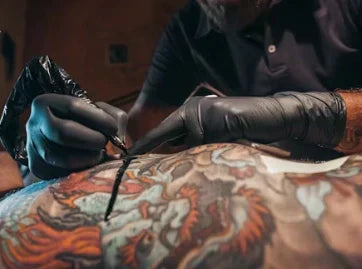
Stick and Poke vs. Machine: Your First Tattoo Kit Buying Guide

Welcome to the ultimate guide for choosing your first tattoo kit. Whether you're drawn to the close, careful style of stick and poke or the exact quickness of a machine, this guide will explain all you need to know. It helps you make a smart choice and begin your tattoo adventure feeling sure of yourself.
What Are the Main Differences Between Stick and Poke and Machine Tattoo Kits?
To start, let's go straight to the main point: what really makes these two common ways different? The basic split is not only in the gear, but also in the whole idea behind how you apply it, how fast it goes, and what the end looks like.
How Do Application Techniques Differ in Precision and Workflow?
Stick and poke tattoos get made by hand with a clean needle fixed to a handle or pen. The person doing it pokes the skin over and over using their hand, so this way takes more time yet gives careful watch over every bit of ink. People like this method for how basic it is and how little gear it needs, but it calls for steady hands that don't shake and a lot of waiting it out.
On the other side, machine tattoo kits use powered tools that push needles into the skin at the same pace and level each time. This way gives better exactness, evenness, and quick work—it's really helpful for tricky patterns or bigger works. For instance, the BRONC Rotary Mini Tattoo Pen V2 has a motor from Switzerland that runs at 12000rpm without load, which means it makes even lines without much shaking. Pain amounts and time to heal differ, too. Stick and poke tattoos might hurt less with each poke, but need more time overall, which could stretch out the uneasy feeling.
Which Is Easier for Beginners to Learn and Master?
A key thing to think about is usually how easy each way is for folks who are new to it. We can look at the paths to learn them and see which one might give an easier beginning to your tattoo work.
What’s the Learning Curve Like for Manual vs. Machine Tattooing?
Stick and poke sets get seen as good for starters because they keep things simple—no need for a power source or fixing the motor. That said, getting good at keeping your hand even is very important. And if there are tiny slips, they can lead to lines that aren't straight or ink that spreads in spots.
Machine tattooing brings a tougher path to learn. Folks new to it have to handle things like how deep the needle goes, how long the stroke is, the voltage settings, and how to hold the machine. But when you use items like the BRONC X2 Adjustable Wireless Pen, which comes with 11 ways to change the stroke and a handle that's easy to grip, those starting get a better hold and less tiredness in their hands during long periods of work.
What Should You Look for in a Reliable Tattoo Kit?
After you pick your way, the following move is putting together the proper set of tools. A good kit goes beyond a single machine or needle—it's a full setup made for keeping things safe, working well, and sparking ideas.
Which Items Are Essential in a Stick and Poke Setup?
A solid stick and poke kit ought to have sterile hand-poking needles or pens, skin-safe ink, ink cups, antiseptic wipes, gloves, and transfer paper for stenciling. These parts make sure you keep everything clean and let those creating tattoos sketch out their ideas right before they start poking the skin.
What Comes Standard in a Machine Tattoo Kit?
A full machine tattoo kit usually has a rotary or coil tattoo machine, a power supply or wireless battery, cartridge needles suited for lining or shading, cables or charging gear. To give an example, the BRONC Rechargeable Wireless Battery RTM 1006 gives output from 5.0–12.0V with steps of 0.1V, which helps keep things steady even when you're working for a long stretch.
How Do Tattoo Kits Ensure Performance and Safety?
Owning the correct tools matters, but how can you tell if they'll work dependably and, above all, keep things safe? This part looks closely at the important traits that set pro-level gear apart from weaker choices.
Are Hygiene Standards Clearly Maintained Across Components?
Keeping things sterile can't be skipped in tattoo work. Needles that come pre-cleaned are vital to cut down on the chances of getting sick. Things like grips you throw away, cartridge setups with barriers against flow back, and packages that seal tight stand out as signs of good safety.
Bigwasp Energy Rubber Cartridge Needles – Round Liner get cleaned with EO gas and have barriers that stop leaks, which guard people using them while letting you see the needle clearly through see-through ends.
Which Features Improve Comfort and Adjustment During Use?

Fancier pens handle several voltage amounts and changes to the stroke. Tools such as the 2024 BRONC X2 Adjustable Wireless Pen have a screen that shows a wide view for instant info on voltage, current, and timing. Designs that fit well with a low point of weight—like in models with handles cut by CNC machines—cut down on tiredness and make accuracy better during drawn-out work periods.
Should You Choose a Wireless or Wired Tattoo Machine?
In machine tattooing, one of the largest talks today is about the freedom of wireless versus the stability of wired.
Why Are Wireless Tattoo Pens Beneficial for New Artists?
A lot of them have screens built in to make changing voltage simpler. The BRONC Siren Adjustable Wireless Pen comes with two batteries, a voltage you can set from 5.0–11.0V, and it runs up to 7 hours straight—perfect for practice without stops right at home.
When Might a Wired Setup Be More Practical?
Machines with wires often get picked in shop spaces where steady power tops the list. They work best for long work times that need a strong pull without stopping to charge in the middle. Some pens include adapters for RCA to switch to wired easily, so users have choices for both as they move from trying things out to full pro work.
How Do You Select the Best Needle Cartridges for Your Art Style?
The machine acts like your motor, but the needle serves as your tool for details. Picking the correct needle cartridge matters a lot for doing the kind of art you want, be it thin lines, strong shadows, or even filling with color.
Which Needle Configurations Match Lining or Shading Requirements?
Various tattoo styles call for certain needle forms. Round liners: Precise line work. The BIGWASP X Cartridge Needles Round Liner is ideal for creating crisp outlines. Magnums: Optimal for shading. The BIGWASP X Cartridge Needles Soft Edge Magnums offer smooth transitions in tone with high ink flow stability. Make sure the lengths of the needle tapers fit your way of working—ones with medium length give keener lines, whereas longer ones bring gentler fades.
Are All Cartridges Compatible With Any Machine?
Not every needle cartridge goes with all tattoo machines. Those making art need to check if the cartridges match the grip parts before buying. Companies often note this in what they say about the product. Making things work across different brands gets simpler if the cartridges have fittings that fit most or connections like Cheyenne style.
Who Offers Trusted Equipment for Professionals and New Artists Alike?
If you’re searching for performance-tested kits that suit both aspiring tattooists and seasoned pros, BIGWASP is a top-tier supplier worth exploring. From wireless pens packed with customizable features to sterilized cartridge sets designed for clarity and hygiene, BIGWASP Tattoo Supply has positioned itself as a go-to source for tattoo professionals worldwide.
FAQ
Q1: Is a wireless tattoo pen better than a wired one for beginners?
A1: Yes. Wireless pens offer more flexibility and ease of use without needing external power supplies, making them ideal for beginners practicing at home.
Q2: Can I use any cartridge needle with any tattoo machine?
A2: No. Not all cartridges are universally compatible—check that the needle system matches your machine’s grip type to ensure proper fitment.
Q3: Are stick-and-poke tattoos less safe than machine tattoos?
A3: Not inherently. Both methods can be safe if done with sterile equipment and proper technique; however, machine tattoos tend to deliver more consistent results when hygiene standards are maintained.

Written by SupplyBronctattoo

Leave a comment
This site is protected by hCaptcha and the hCaptcha Privacy Policy and Terms of Service apply.